

INTRODUCTION
Author: Pastor Johan du Toit
Overview
As fellow students of the Word we would like to provide some guidelines for effective Bible study in these notes. Our desire is that this time of Bible study will be fruitful and help you to become all that God created you to be. The Word of God is rich and powerful, and when we make the most of it, we will be changed!
Learning Objectives

- Understand that the Bible is a covenant that God made with you, not just a set of rules.
- Recognize that there are things that God wants to reveal to you through studying the Bible.
- Comprehend that the Bible is God’s personal letter to you.
- Realize that a testament describes what you have inherited.
DEFINITIONS
| Terms | Definition |
|---|---|
| Comprehend | To grasp the nature, significance, or meaning of// to contain or hold within a total scope, significance, or amount |
| Covenant | A usually formal, solemn, and binding agreement // A written agreement or promise usually under seal between two or more parties especially for the performance of some action // to either enter into a covenant: CONTRACT |
| Discernment | The quality of being able to grasp and comprehend what is obscure: skill in discerning // An act of perceiving or discerning something |
| Apostles | A book of the New Testament in the form of a letter from an Apostle |
| Irrevocable | Not possible to revoke: UNALTERABLE |
| Precepts | A common or principle intended especially as a general rule of action // An order issued by legally constituted authority to a subordinate official |
| Rehearsals | Something recounted or told again // A practice exercise: TRIAL |
| Statutes | A law enacted by the legislative branch of a government // An act of a corporation or of its founder intended as a permanent rule |
STUDY MAINLY IN THE NEW TESTAMENT
We live under the new covenant, so we spend more time reading and studying the new testament than the old testament. This doesn’t mean that the old testament is invalid, in many places it explains the new and reveals much detail of its truths.
However, the new testament is God’s new covenant with us, which is better than the old, and we need to understand the covenant we have with God!
Hebrews 8:6,7,13 NKJV
6 But now He has obtained a more excellent ministry, in as much as He is also Mediator of a better covenant, which was established on better promises. 7 For if that first covenant had been faultless, then no place would have been sought for a second. 13 In that He says, “A new covenant,” He has made the first obsolete. Now what is becoming obsolete and growing old is ready to vanish away.
The rituals, ceremonies and laws of the old covenant were shadows of what was to come in the new. Much of its history consisted of rehearsals, so to speak, of new testament events and truths.
Hebrews 10:1 NKJV
1For the law, having a shadow of the good things to come, and not the very image of the things, can never with these same sacrifices, which they offer continually year by year, make those who approach perfect.

See also Colossians 2:16, 17 & Hebrews 8:3-5
It is easier to understand the old testament once we have become familiar with the new. We will study the new covenant in greater detail later on, but a covenant, in a nutshell, is an irrevocable agreement between two parties based on promises that cannot be broken.
When we read the new testament, we should understand that it is the new covenant that God made with us, and that the promises on which it is based cannot be broken. This new covenant is sealed with the blood of Jesus:
Luke 22:20 NKJV
20Likewise He also took the cup, saying: “This cup is the new covenant in My blood, which is shed for you....”
We need to know and understand our covenant with God, and how to walk in it, in order to appropriate the promises made unto us and, of course, fulfil our obligations in terms of the Covenant.
The Old Testament prepares us for Christ; the gospels introduce Him to us and the epistles reveal the meaning of His atoning death to us. The gospels were written for us, but the epistles were written to us.
- The old testament was the shadow of what was to come. Its prophecies were sometimes be verbal, but often also hidden in rituals, songs and events. It raised the expectations of God’s people and pointed to the Deliverer that was to come.
- In the gospels Christ is made manifest: The Word made flesh; God with us, showing us how to live and walk with Him in unwavering trust. The Son is revealed as the ultimate sacrifice that satisfied the demands of the law to cleanse us of all sin. Jesus introduced God as a Father whereas before, in the old testament, He had only been known distantly and unapproachably.
- In the epistles awesome revelation is given to us concerning the fullness of our salvation and the benefits we have as new creations in Christ Jesus.
When studying the Bible, we should therefore spend more time reading and studying the epistles, focusing on those things that Jesus obtained for us on the cross. This, more than anything else, will lead us to living up to God’s standards and expectations for us.
THE ROADMAP TO DISCOVERING GOD’S PROMISES IN YOUR LIFE
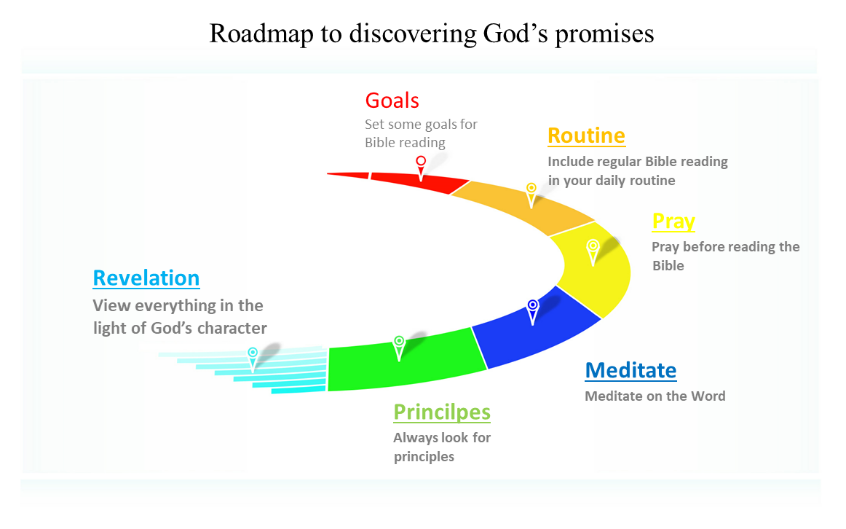
Set Some Goals for Regular Bible Reading
Set some goals of how much you would like to read the Bible every week, so many chapters or hours, etc… These goals should be realistic if you want to achieve them – if they are too high you may get discouraged and stop. On the other hand, if they’re too low they won’t benefit you much.
One chapter a day equals five chapters a week and may be easily accomplished. In order to allow some growth, instead of reading five chapters a week you might, for example, see if you can do eight a week. You will find that the devil will try to steal as much of your Bible reading time as he can, so you will have to be very determined about it!
Include Regular Bible Reading in Your Daily Routine
The best way to set some time apart for regular Bible reading is to build some time for it into your routine. Budget some time in your day or week which you can set apart, and don’t allow it to be taken up by anything else. As humans we are routine-driven beings: once we have something built into our routines, it comes almost automatically and without much effort. It is said that it takes about three weeks for a new routine to be established. To establish a new habit requires some driven effort for about three weeks, after which time it becomes easier to follow.
Pray Before Reading the Bible
It can sometimes be very difficult to concentrate on anything, especially when reading the Bible. Often we read for a while and then find that we are unable to remember anything we read! There may be too much clutter in our heads, or we are just too tired or troubled to concentrate.
Reading the Bible with the Holy Spirit is both very important and helpful. Pray before you open the Word and prepare yourself to receive from the Lord. Invite the Holy Spirit to be your Teacher and to reveal the Word to you. After reading you should be refreshed and edified.
John 14:26 NKJV
 26But the Helper, the Holy Spirit, whom the Father will send in My name, He will teach you all things, and bring to your remembrance all things that I said to you.
The Holy Spirit is our Teacher and Helper; the Bible was written by His inspiration and instigation, and He knows what and how to teach us. He will give us revelation so that we will be able to not just read the letter, but to understand what He wants to convey to us. There is a huge difference between the message of the letter and the revelation of the Spirit! The letter is just the vehicle that brings the Word of God to us.
John 16:12,13 NKJV
12I still have many things to say to you, but you cannot bear them now.  13However, when He, the Spirit of truth has come, He will guide you into all truth; for He will not speak on His own authority, but whatever He hears He will speak; and He will tell you things to come.
Meditate on the Word
To meditate is to “consider thoughtfully”. Take some time after reading the Word to meditate on what you have read. This is when the Holy Spirit will minister revelation to you most of the time.
It is God’s will for us to have the Word in our souls (minds), but also in our spirits (hearts):
Hebrews 10:16 NKJV
16This is the covenant that I will make with them after those days, says the Lord: I will put My laws into their hearts, and in their minds I will write them.
Meditating on the Word is one of the keys to victorious living. Having only the letter of the Word will bring no benefit at all, but revelation is a mighty, powerful force in our lives. Meditation causes the Word to sink from our minds into our hearts.
Joshua 1:8 NKJV
8This Book of the Law shall not depart from your mouth, but you shall meditate in it day and night, that you may observe to do according to all that is written in it.  For then you will make your way prosperous, and then you will have good success.

Read Psalm 1 with special attention to verse 2.
Always Look for Principles
Look for the principles, precepts, laws, statutes, etc. and see how you can practically apply them in your life. God gave us these principles to bless our lives; they are the guidelines that continually lead us to a life of success. These principles reveal God’s wisdom to us; they are hidden in the Word and can be found everywhere when we look for them! As we set our hearts to seek them out, the Holy Spirit will uncover them for us. They are keys that unlock doors for us.
There are principles that govern health, financial prosperity, family life, marriage, relationships, career, etc… The Bible is a book of life-giving principles, but if we only read the stories and history of events, we will miss what God desires to impart to us.
Psalm 119:93 NKJV
93I will never forget Your precepts, for by them You have given me life.
View Everything in the Light of God’s Character
The Pharisees and the scribes knew the Word, but only in a legalistic way. They had no revelation of God as Father; to them He was a distant God who always stood ready to punish all weakness and disobedience. They had no understanding of His love and grace or of His desire to bless His own. Consequently, they tried to uphold all the laws and traditions, but had no compassion or mercy with anybody. This spirit is still active today and we must be careful not to be deceived by it.
Psalm 103:8,10-13 NKJV
8The Lord is merciful and gracious, slow to anger and abounding in mercy.
10He has not dealt with us according to our iniquities. 11For as the heavens are high above the earth, so great is His mercy toward those who fear Him; 12As far as the east is from the west, so far has He removed our transgressions from us. 13As a father pities his children, so the Lord pities those who fear Him.
Interpret the Bible in the light of God’s character. While God always brings together, religion always excludes. Just think of the high price that God paid in Christ Jesus to reconcile us with Himself again. For God so loved the world!
DESIRE REVELATION RATHER THAN KNOWLEDGE
The Bible was written in many literary forms: there are books of law, poetry, history, prophecy, biographies, parables, pastoral and doctrinal letters, etc… It sometimes speaks in abstract images, types and shadows, but hidden behind those forms lies God’s message to His people. Ignorant people try to understand those things literally and get confused and end up in error.
Understand to whom a passage was written, and if and how it affects us today. Practice some discernment and insight when reading in different places in the Bible. The Bible is to be understood with spiritual understanding more than natural understanding. Paul teaches us in Ephesians 1:17-23 to pray for a spirit of wisdom, revelation knowledge of the Lord; the eyes of our understanding to be enlightened. In Colossians 1:9-11 he prays for spiritual understanding. There is a natural way to understand things, but there is also a spiritual way to understand things!
UNDERSTANDING THAT THE MESSAGE OF THE BIBLE IS SIMPLE
While some things in the Bible are hard to understand, most of its message is within reach of everybody, even children. II Peter 3:15-16 tells us that untaught and unstable people twist it to their own destruction, but look at what Jesus says:
Matthew 11:25 NKJV
25I thank You, Father, Lord of heaven and earth, that You have hidden these things from the wise and the prudent and have revealed them to babes.
TIPS FOR READING THE BIBLE
- Read the whole of a given passage in order to get a grip on the context in which each verse is placed. Once you have an understanding of the meaning of a passage, you can begin to break it down in smaller thoughts. You cannot take some verses out of context and put them on a string because they seem to talk about the same thing – the context in which they were placed needs to be understood first.
- Read a passage of Scripture several times for greater understanding. Sometimes reading it several times a day may be helpful, other times you may have to read and meditate on a particular passage over several days. We need to go deeper if we want to grow in understanding.
- Look at the choice of words in a passage. Words convey meaning and have depth, and the authors of the Bible chose them for a specific reason. Also consider the time, environment and customs of the time that passage was written – it may broaden your understanding and help you to apply it to your life today, if applicable at all.
People who go church-hopping are, in general, more confused than those who stay in one church and grow there. You have to put down some roots and grow before you can bear any fruit. The effect of listening to a multitude of teachers and preachers will be confusion, more than anything else. Not all churches are at the same place spiritually, or have the same destiny or purpose, so you cannot receive from everybody and hope to grow towards fulfilling your own purpose!
GOD WILL EQUIP YOU THROUGH HIS WORD
Study the Bible to Show Yourself Approved to God
Read II Timothy 2:15. The Word is there to equip us for service unto the Lord and not only to increase our knowledge. It will shape, form and equip us to fulfil our purpose in life. Let it minister to you first of all, and then you will have something to pass on to others.
Remember Who You are in Christ
Look at the “in Him” Scriptures and identify with them as you read them. These Scriptures will teach you about the character of the new creation, its privileges, powers and treasures. Renew your mind to those truths as you come across them in your Bible reading.
Become a Doer of the Word
All your reading of the Bible will amount to nothing if you fail to become a doer of the Word.
James 1:22-25 NKJV
22But be doers of the Word, and not hearers only, deceiving yourselves.  23For if anyone is a hearer of the Word and not a doer, he is like a man observing his natural face in a mirror; 24for he observes himself, goes away, and immediately forgets what kind of man he was.  25But he who looks into the perfect law of liberty and continues in it; and is not a forgetful hearer but a doer of the word, this one will be blessed in what he does.
Knowledge puffs up, and we are not called to increase knowledge but to fulfil our purpose to the glory of God by doing the works that He created us to do. The real reward for our studies will be when we hear Him say, “Well done, My faithful servant…”. This is our attitude and approach towards our studies and life in general.
FOUR DIFFERENT WAYS TO READ THE BIBLE
The Bible should be read in different ways for different purposes.
| Different ways to read the Bible | |
|---|---|
| Casual Reading | Sometimes we take up the Bible and just read long passages of scripture, maybe an entire book at a time, without studying it. This is an excellent way to familiarize ourselves with the Word and with a specific Bible. It helps us to find things easily and to know what the Bible has to say. We have to put the Word inside of us before the Holy Spirit can bring it out when we need it. Casual reading will do that for us, and of course edify us as we feed on the Word. |
| Attentive Reading | This is when we concentrate on a given passage and pay more attention to what we read. |
| Subject Reading | We may want to find out what the Bible has to say on a specific subject and then do some cross-referencing or use a concordance to help us find related verses and topics to get a more complete picture of things. |
| Systematic Reading | This is when we follow a certain system to read the Bible: from beginning to end; a Testament; the Psalms, Proverbs or some other Book; the Books of the Law; the Prophets, etc. The Bile Societies publish programs that help us to read through the Bible in a year. |
APPENDIX A
When Was the Bible Really Written?
FOXNews.com
The University of Haifa
By decoding the inscription on a 3,000‐year‐old piece of pottery, an Israeli professor has concluded that parts of the bible
were written hundreds of years earlier than suspected.
A breakthrough in the research of the Hebrew scriptures has shed new light on the period in which the Bible was written.
The pottery shard was discovered at excavations at Khirbet Qeiyafa near the Elah valley in Israel ‐‐ about 18 miles west of
Jerusalem. Carbon‐dating places it in the 10th century BC, making the shard about 1,000 years older than the Dead Sea
scrolls.
Professor Gershon Galil of the University of Haifa deciphered the ancient writing, basing his interpretation on the use of
verbs and content particular to the Hebrew language. It turned out to be “a social statement, relating to slaves, widows and
orphans,” Galil explained in a statement from the University.
The inscription is the earliest example of Hebrew writing found, which stands in opposition to the dating of the composition
of the Bible in current research; prior to this discovery, it was not believed that the Bible or parts of it could have been written this long ago.
According to Israeli newspaper Haaretz, current theory holds that the Bible could not have been written before the 6th
century B.C.E., because Hebrew writing did not exist until then.
English translation of the deciphered text:
- you shall not do [it], but worship the [Lord].
- Judge the sla[ve] and the wid[ow] / Judge the orph[an]
- [and] the stranger. [Pl]ead for the infant / plead for the po[or and]
- the widow. Rehabilitate [the poor] at the hands of the king.
- Protect the po[or and] the slave / [supp]ort the stranger.
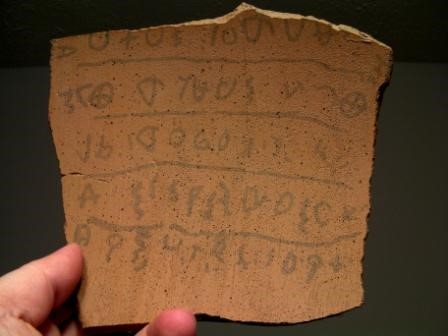
The Khirbet Qeiyafa Ostracon
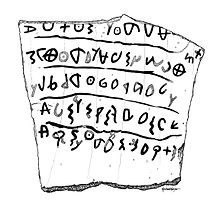
Artist’s rendering of pottery shard from Khirbet Qeiyafa (Netzer 2014)
APPENDIX B
Recommended Bibles/Bible Resources for Bible Study:
Hardcopy Bibles
The New King James Version Bible
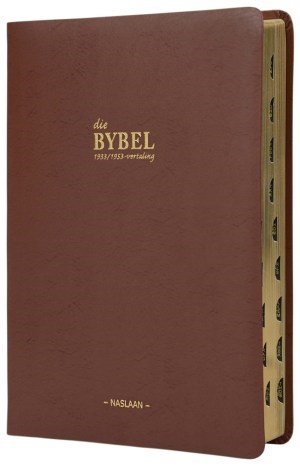
Every believer must have his / her own personal Bible that can accompany them everywhere.
A Bible that you like, where you can make notes, underline, add sticky notes or book marks etc.
A Bible should become personal to you. My personal favourite Bible is the “New king James” version, leather bound, thumb index with centre cross reference.
Find your Bible and make it yours. I can find versus that mean a lot to me very quickly in my Bible. But hand me someone else’s Bible and I am kind of handicapped.
Personally, I don’t like the newer translations as a personal Bible although some translations can be helpful at times.
Amplified Bible
The Amplified Bible is a great study Bible and an amazing investment.
A must for word school students.
Other Bible Resources
- Concordance
Some Bibles have a concordance at the back, but you can also get hard copy concordance books. This is a great tool for topical Bible study if you don’t have internet access.
- Topical Bible
Another great resource to study topics. These types of Bibles are great to use, but care must be taken to the author. Make sure the author has a good track record of the fruit of the Spirit.
Online Bible Resources
- E-Sword

One of the great tools that you can download for free. This program is very efficient for studying the Word. Another great feature is the commentaries that you can also download.
Another great feature in E-Sword is the different Bible versions that can be downloaded. Especially the KJV+.
This version has a reference to every Greek or Hebrew word which explains the meaning of the word.
- Bible Apps
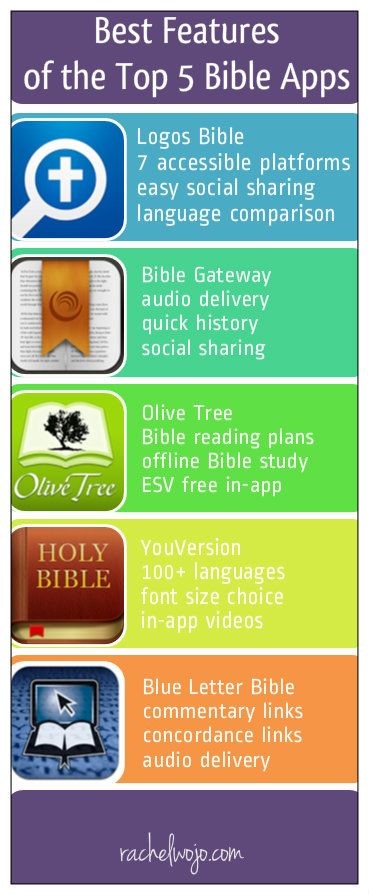
There is a number of apps that you can download on your phone, but to me personally it will be a last resort. The next generation might find it more attractive.
